


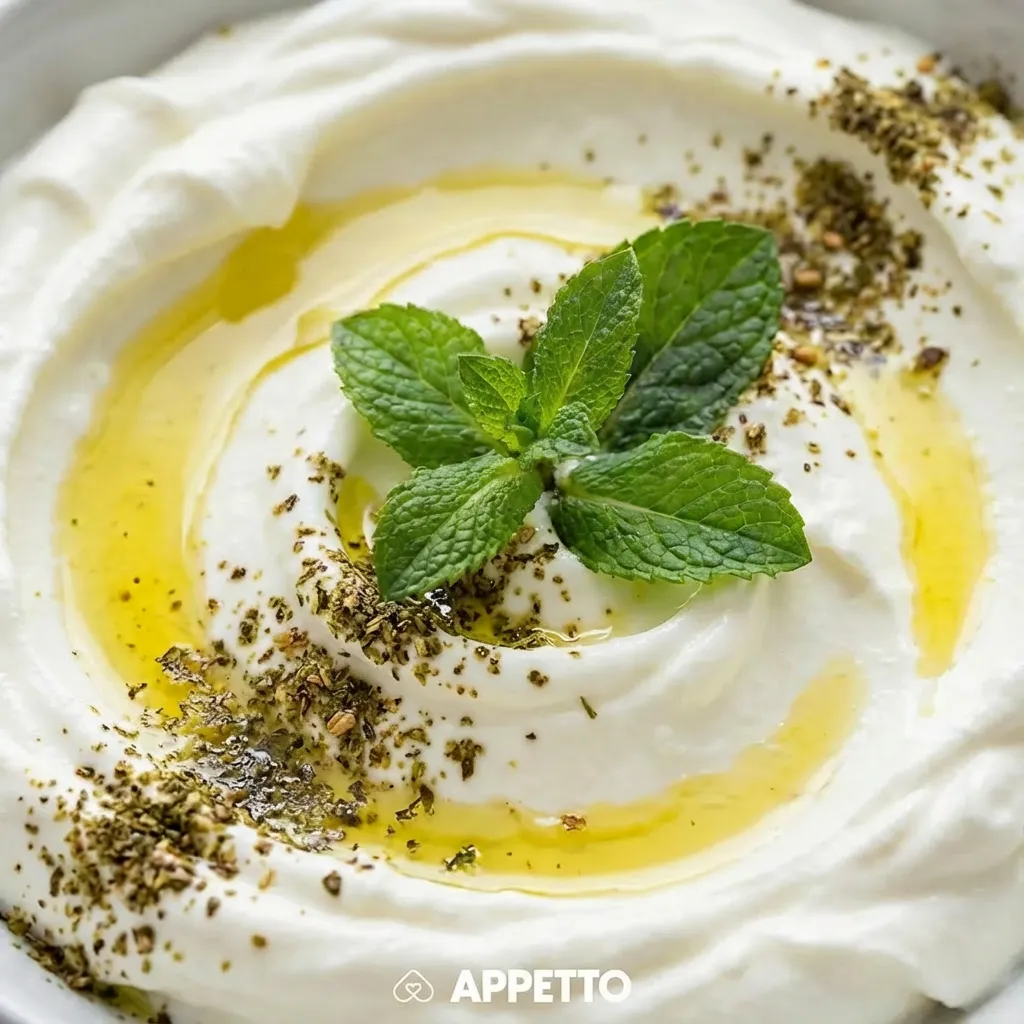
Labneh can be given to dogs in moderation, provided it is plain, well-drained, and in very small quantities. The draining process can reduce some of the lactose, but it does not eliminate it entirely. It can also remain quite fatty, depending on the base used. So yes, a micro-portion is fine for a dog that tolerates it; but no, not a whole bowl like a canine mezze.
Quick verdict
- For dogs: allowed in moderation.
- To remember: only plain, with no added salt, in very small amounts, and rarely.
Labneh for dogs: allowed, limited, or forbidden?
Labneh can be tolerated by some dogs, but it is not essential. It provides some protein and calcium, but also residual lactose and fats. It should therefore remain an occasional treat and always be given without any seasoning.
Is labneh dangerous or toxic to dogs?
Plain labneh is not toxic in small quantities, but it can cause vomiting, diarrhea, or bloating in dogs that are lactose intolerant. Salted, garlic, herb, oil-based, or spicy versions must be avoided.
What are the possible benefits?
The benefits exist but remain modest.
- Provides a little protein and calcium.
- Draining can reduce the lactose content compared to some fresh dairy products.
What are the risks to know?
Labneh can be poorly tolerated depending on the dog’s digestive sensitivity.
- Residual lactose: diarrhea in intolerant dogs.
- Fats: caloric overload if given in excess.
- Parts to avoid: labneh that is salted, in oil, with garlic, herbs, spicy, or served with bread and seasoned human dishes.
How much should you give your dog?
Start very small and observe their tolerance.
- Small dog: half a teaspoon maximum.
- Medium dog: one teaspoon occasionally.
- Large dog: one small tablespoon maximum, rarely.
Can my dog eat plain, salted, or seasoned labneh?
Only plain, unsalted labneh without added flavors can be considered. Seasoned versions should be avoided, especially those with garlic, onion, spices, salt, or excessive oil. Labneh served in human meals is not suitable for dogs.
How to prepare it correctly?
- Choose plain labneh, without salt or seasoning.
- Give a mini-portion.
- Monitor their stool, gas, and appetite after ingestion.
When should it be avoided?
- Puppies.
- Senior dogs.
- Dogs sensitive to lactose, overweight, or prone to pancreatitis.
- Dogs on medication, with digestive diseases, or on a veterinary diet.
My dog ate labneh: what should I do?
If your dog ate a small amount of plain labneh, just keep an eye on them. If the labneh was salted, spicy, contained garlic, or if the quantity was large, contact your vet if symptoms appear.
What signs should alert you?
Vomiting, diarrhea, bloating, gas, abdominal pain, lethargy, or loss of appetite are all warning signs.
What are safer alternatives?
- A suitable dog treat.
- A veterinary probiotic if the goal is digestive health.
- A small piece of plain cooked lean meat.
How can APPETTO help you?
APPETTO helps you better understand which foods should only be given with caution and allows you to compare dog products using the Pet-Score®. This way, you can make more informed choices for their bowl. Download APPETTO.
FAQ
Is labneh toxic to my dog?
No, not if it is plain and in small amounts, but it can cause digestive upset.
How much labneh can I give my dog?
Half a teaspoon to a small spoonful depending on their size, rarely.
Can my dog eat salted labneh?
No, it is best to avoid added salt.
Can my dog eat garlic labneh?
No, garlic must be avoided for dogs.
What signs should I watch for if my dog ate labneh?
Watch for vomiting, diarrhea, bloating, gas, and lethargy.
Can a puppy eat labneh?
It is better to avoid it without veterinary advice, as puppies are more sensitive to lactose and digestive changes.
Labneh can be tolerated by some dogs in mini-quantities, but it must remain plain and occasional. To better compare suitable foods and products, APPETTO helps you with the Pet-Score®. Download APPETTO.
Credits and disclaimer
Credits: Content created by the APPETTO team based on referenced sources and our internal food classification methodology.
Disclaimer: This information is general and does not replace veterinary advice.