


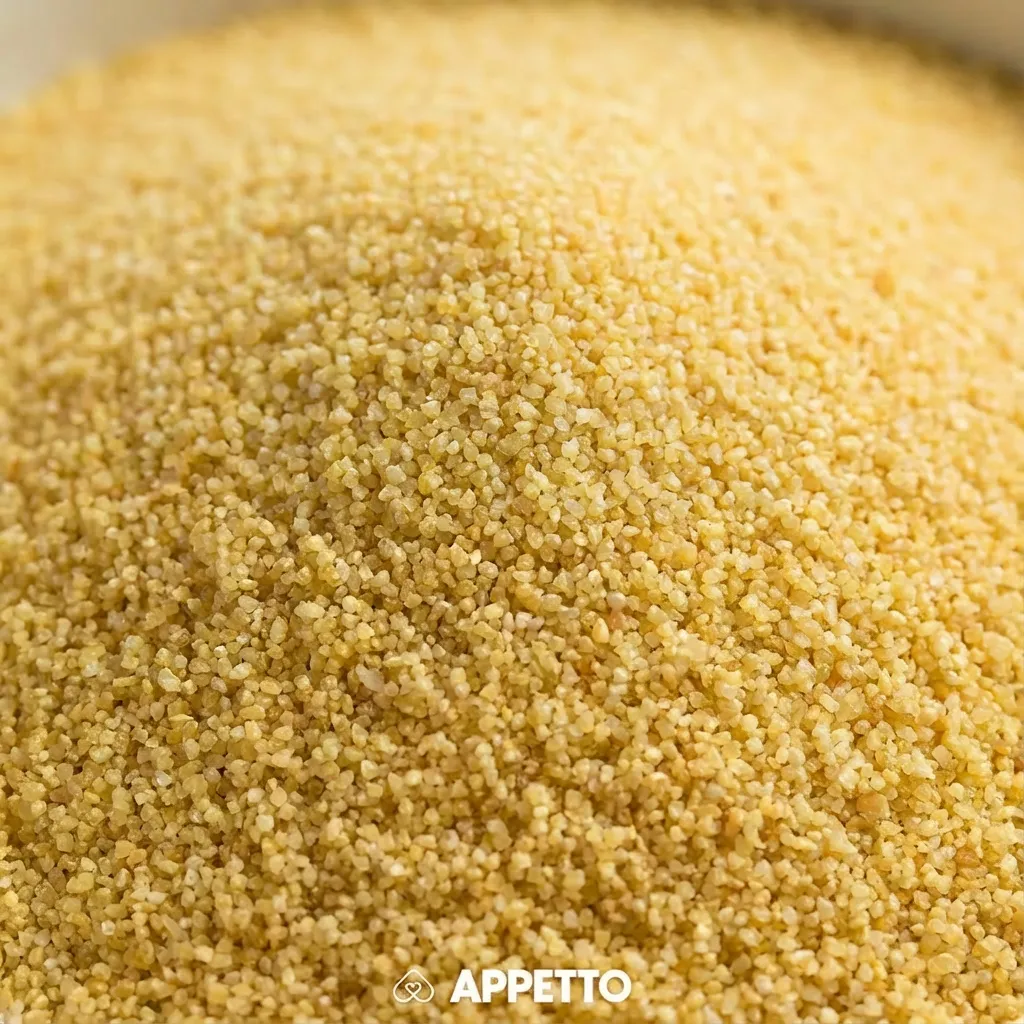
It is common for pet owners to wonder which human foods are safe for their furry friends. A dog can eat semolina (or couscous), but this food is only allowed in moderation due to its specific nutritional profile.
Nutritional Value and Benefits
The overall nutritional value of semolina for a dog is low. However, it does provide a quick energy boost, along with a small dose of B vitamins and minerals. On the downside, its low fiber content means it has very little effect on a dog’s feeling of satiety.
How to Prepare Semolina for Your Dog
Proper preparation is crucial to ensure safety. Semolina must always be given cooked and well hydrated. When cooked, its soft texture is much better tolerated by the animal’s digestive system.
From a scientific standpoint, the cooking process creates gelatinized starch, which is better digested by canine amylase. Conversely, dry semolina poses a significant mechanical risk of choking and must be avoided entirely.
Risks of Inappropriate Consumption
The main issue with feeding semolina is its carbohydrate content. An excess of starch represents a nutritional risk, which can lead to caloric overload and subsequent weight gain, as well as the development of loose stools or diarrhea.
Vulnerable Dogs
Certain dogs require extra caution when it comes to eating semolina:
- Inactive dogs: portions should be strictly limited to prevent unnecessary weight gain.
- Puppies: this food must be introduced very gradually to allow their digestive system to adapt.
Symptoms to Watch For and What to Do
If your dog consumes dry semolina or eats an excessive amount, adverse reactions may occur. The possible symptoms of poor tolerance include:
- Vomiting
- Diarrhea
- Bloating
If this happens, monitor your dog’s condition closely. Should the symptoms persist, worsen, or appear concerning, it is highly recommended to contact a veterinarian.
Discover the APPETTO App
To help you make informed decisions, the APPETTO application assists users in better understanding dog and cat nutrition, offering detailed information on various foods. You can find it here: https://www.download.appetto.co.
This article is provided for informational purposes only and does not replace the advice or diagnosis of a veterinary professional. A veterinarian should always be consulted in the event of persistent or concerning symptoms.