


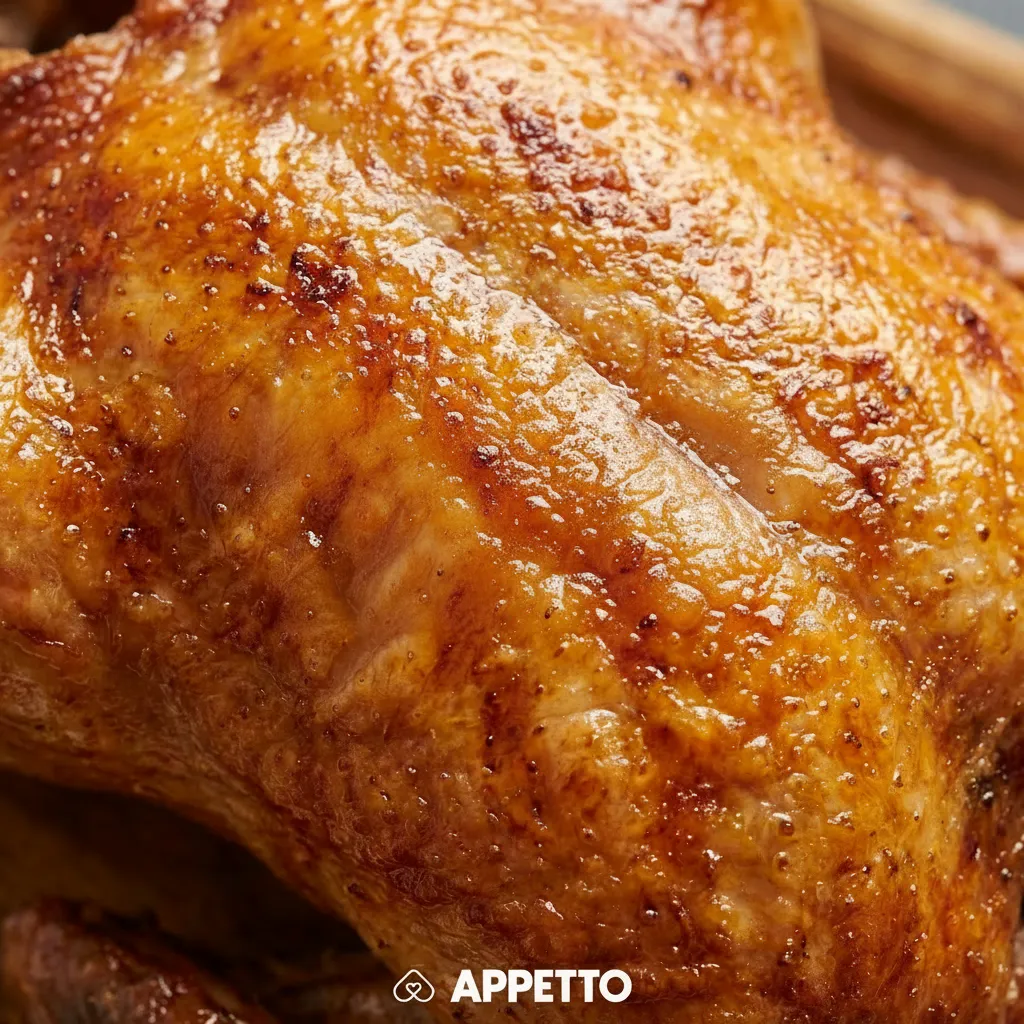
Duck skin should be avoided for cats. It is very fatty, offers little nutritional value, and can cause vomiting, diarrhea, lethargy, or weight gain.
Quick verdict
- For cats: avoid.
- Key takeaway: remove the skin before giving duck meat to your cat.
Duck skin and cats: why is it too rich?
Duck is already fattier than some other poultry. Its skin concentrates even more lipids, which can slow down digestion and trigger gastrointestinal issues.
Are there any benefits?
No significant benefit justifies feeding duck skin to your cat.
- Little nutritional value.
- Risks outweigh the benefits.
Risks to be aware of
- High fat content: digestive issues.
- Calories: weight gain.
- Sensitive cats: potential risk of pancreatitis.
How much to give?
No intentional amount is recommended.
Raw or cooked?
Cooking does not solve the main problem: the skin remains too fatty.
How to prepare duck?
- Remove the skin.
- Remove the bones.
- Only give a small portion of cooked lean meat.
Cats at risk
- Overweight cats.
- Senior cats.
- Cats with a history of pancreatitis.
- Cats with sensitive digestive systems.
My cat ate duck skin: what should I do?
Monitor for vomiting, diarrhea, lethargy, or loss of appetite. Contact a veterinarian if the symptoms persist or if a large amount was ingested.
How can APPETTO help?
APPETTO helps you identify overly fatty cuts, compare cat products using the Pet-Score®, and choose a more suitable diet. Download APPETTO.
FAQ
Is duck skin toxic to cats?
It is mainly just too fatty.
Can my cat eat a small piece of cooked skin?
It is best avoided.
Why remove the skin?
To limit fat intake and prevent digestive issues.
What signs should I monitor?
Vomiting, diarrhea, or lethargy.
Can an obese cat eat it?
No, it should be avoided.
Is duck meat okay?
Yes, without skin or bones, and in small quantities.
Duck skin is too fatty for cats. To compare more suitable feline foods and products, APPETTO helps you with the Pet-Score®. Download APPETTO.
Credits and disclaimer
Credits: Content created by the APPETTO team based on referenced sources and our internal food classification methodology.
Disclaimer: This information is general and does not replace veterinary advice.