


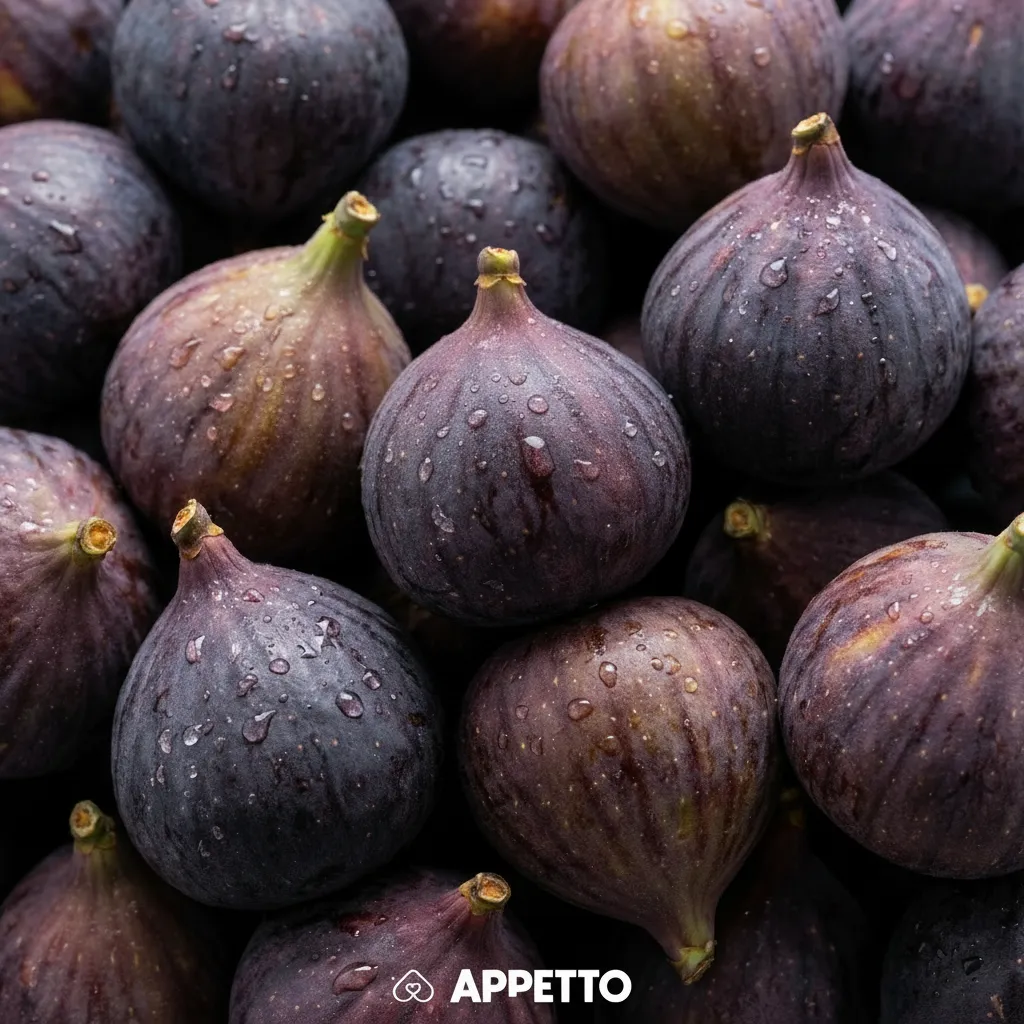
Some dogs may tolerate a small amount of fresh, ripe fig flesh, but the fruit should be introduced cautiously. Figs are high in fibre and sugar, and excessive intake may cause vomiting, diarrhoea or abdominal discomfort.
Quick verdict
- For dogs: possible in very small quantities.
- Serve: fresh, ripe flesh with the hard stem removed.
- Avoid: dried figs, fig plants, sap and large portions.
Are fresh figs safe for dogs?
A tiny piece of ripe flesh may be tolerated by a healthy dog. Because evidence and individual tolerance vary, begin with a very small amount and do not offer figs regularly.
Can figs cause problems?
Yes. Their fibre and sugar may trigger digestive upset, while some dogs may develop oral irritation or an allergic-type reaction. The fig plant and its sap should be kept away from pets.
Potential benefits
- Dietary fibre in a small serving.
- Some water and minerals.
These modest benefits do not make figs necessary, and safer, less sugary alternatives are available.
Main risks
- Vomiting, diarrhoea or bloating.
- Oral irritation or excessive salivation.
- Possible coughing or allergic-type symptoms in sensitive dogs.
- Excess sugar, particularly in dried figs.
How much can a dog eat?
- Small dog: one tiny piece.
- Medium dog: one small piece of fresh fig.
- Large dog: one or two small pieces, offered rarely.
Fresh, dried or processed figs?
Only a small piece of fresh, ripe flesh should be considered. Avoid dried figs, jam, biscuits, bars, cakes and desserts because they contain concentrated sugar and may include other unsuitable ingredients.
How to prepare fig safely
- Choose a fresh, fully ripe fig.
- Remove the hard stem.
- Cut off a very small piece.
- Monitor your dog after the first taste.
When should figs be avoided?
- In puppies.
- In diabetic or overweight dogs.
- In dogs with sensitive digestion, atopic dermatitis or pollen allergies.
- In dogs receiving veterinary treatment or following a prescription diet.
My dog ate a fig: what should I do?
If your dog ate a small amount of fresh flesh, monitor them. Contact a veterinarian if a large quantity, dried figs, plant material or sap was involved, or if coughing, vomiting or oral irritation develops.
Signs to watch for
Look for vomiting, diarrhoea, coughing, excessive salivation, mouth irritation, bloating, fatigue or facial swelling.
Safer alternatives
- A few plain blueberries.
- A small piece of seedless apple.
- A low-sugar dog treat.
How APPETTO can help
APPETTO helps you compare sugary fruits, understand serving limits and make more informed choices using the Pet-Score®. Download APPETTO.
FAQ
Are figs toxic to dogs?
Fresh, ripe flesh is not necessarily toxic in a tiny amount, but the fig plant and sap are irritating and the fruit should be given cautiously.
How much fig can I give my dog?
Offer only one tiny piece to one or two small pieces depending on body size, and only occasionally.
Can dogs eat dried figs?
It is best to avoid them because they are extremely concentrated in sugar.
Can dogs eat fig stems?
No. Remove the hard stem before serving any flesh.
Can dogs with allergies eat figs?
It is safer to avoid figs in dogs with atopy, pollen sensitivity or a history of food reactions.
Fresh fig may be tolerated in a very small amount, but the fruit is sugary and can trigger digestive or allergic-type reactions in sensitive dogs.
Credits and disclaimer
Credits: Content developed by the APPETTO team using referenced sources and its internal food-classification methodology.
Disclaimer: This information is general and does not replace veterinary advice.