


Can my cat eat fish spread?
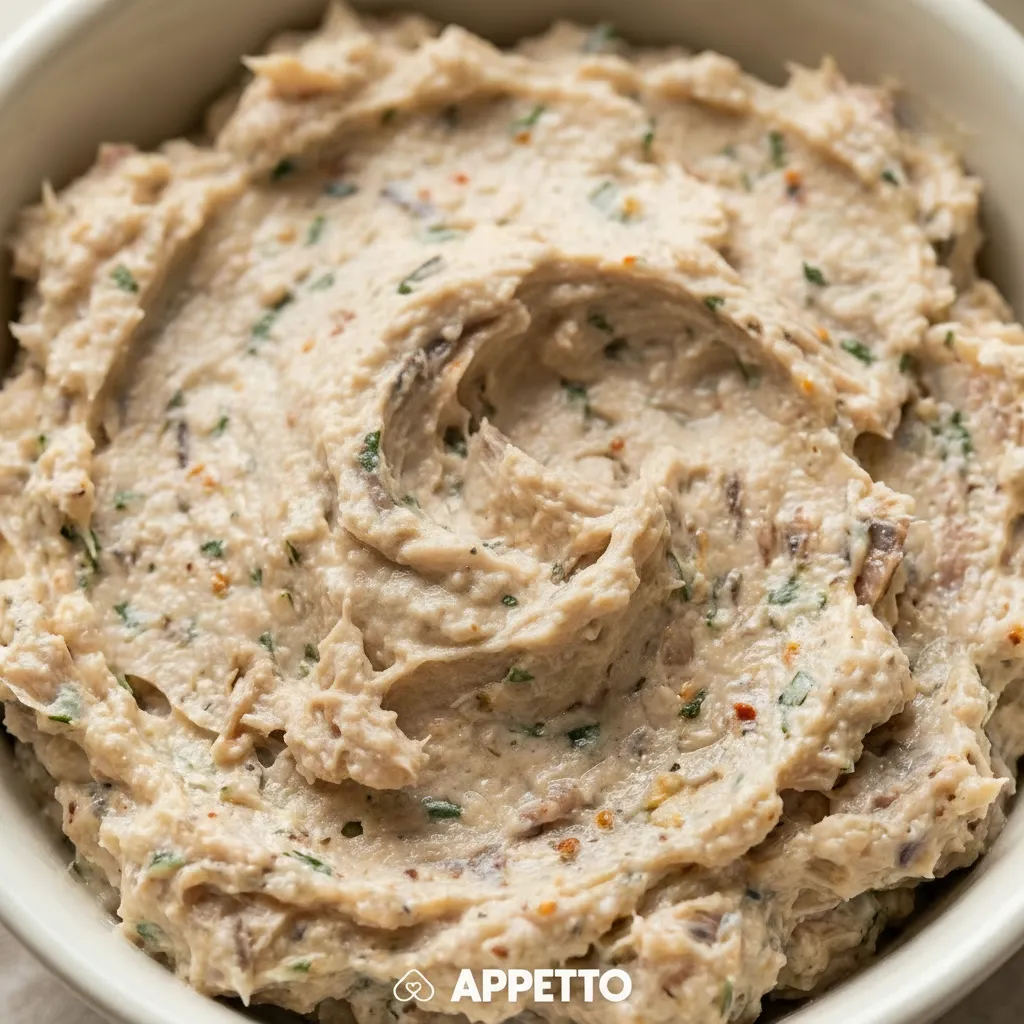
It is strongly advised not to give fish spread or fish pâté to your cat. Although cats love fish and it is an excellent source of protein, preparing it as a spread is not at all suited to their metabolism and can even be dangerous.
Why is fish spread bad for cats?
Fish spread, whether store-bought or homemade, poses several major health problems for your pet:
- Excess fat: Spreads are traditionally made with a large amount of butter, oil, mayonnaise, or crème fraîche. This massive intake of fat is very difficult for a cat to digest and can cause gastrointestinal issues (diarrhea, vomiting) or even trigger pancreatitis, a severe inflammation of the pancreas.
- High salt content: Canned goods and savory spreads are often very salty. Cats’ kidneys tolerate salt very poorly, and ingesting a large amount can lead to sodium poisoning (hypernatremia).
- Presence of toxic ingredients: To enhance the flavor of fish spreads, garlic, onion, shallot, or chives are very often used. However, all members of the Allium family are highly toxic to cats: they destroy their red blood cells and cause severe, sometimes fatal, anemia.
What should I do if my cat ate some fish spread?
If your cat simply licked the tip of your finger or the lid of the tin, there is generally no need to worry. Keep an eye on them and make sure fresh water is available. However, if they ate a significant portion or if you know the recipe contains garlic or onion, contact your veterinarian promptly for appropriate advice.
What are some healthy alternatives?
To treat your little feline without risking their health, opt for real fish! You can offer them a small piece of white fish or salmon, boiled or steamed. Just make sure to remove all the bones carefully and never add salt, herbs, or fats during cooking.