


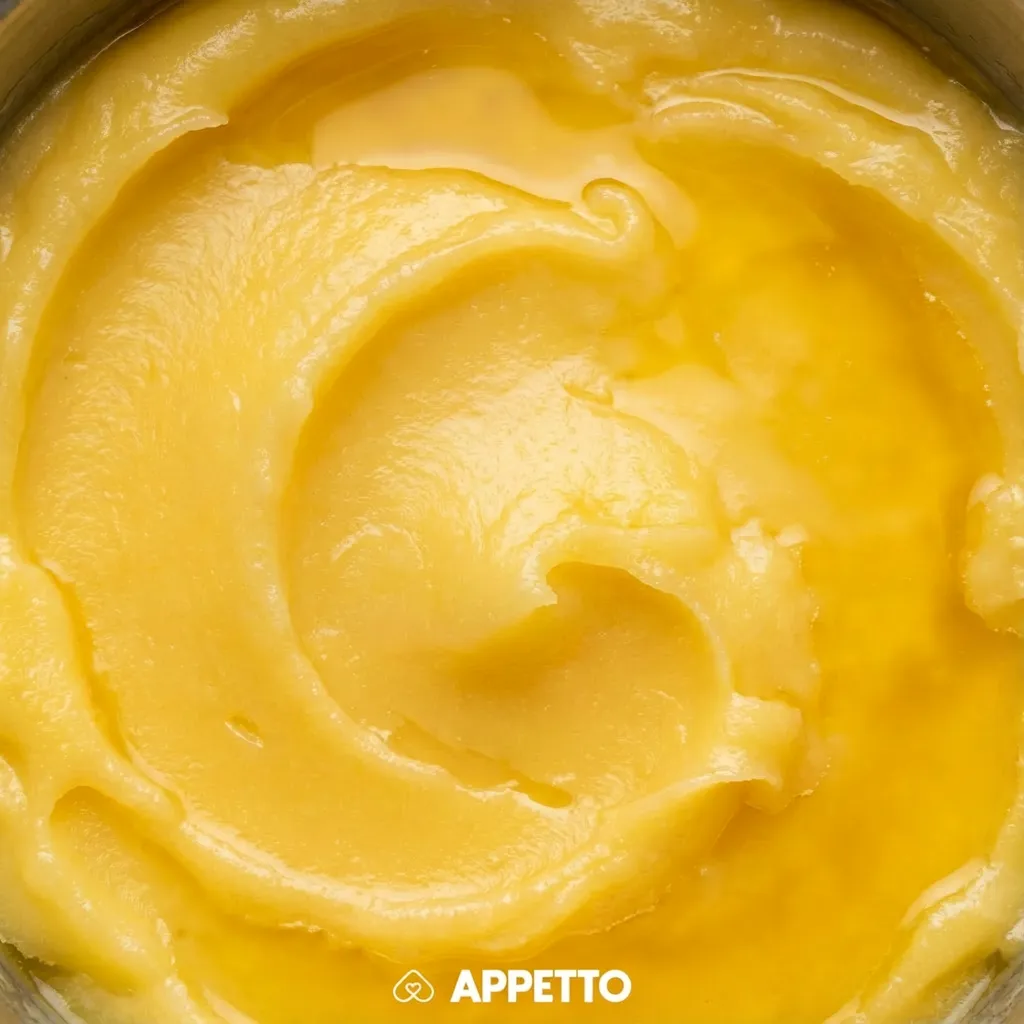
Ghee, or clarified butter, should be avoided for dogs. It contains very little lactose and casein, yes, but this detail doesn’t change the main problem: it is a highly concentrated fat. In dogs, too much fat can cause diarrhea, vomiting, weight gain, and, in certain profiles, pancreatitis. So, “lactose-free” doesn’t turn ghee into a superfood, sorry for the highly Instagrammable jar.
Quick verdict
- For dogs: avoid.
- Key takeaway: the risk comes mainly from the fat concentration, not just the lactose.
Ghee for dogs: allowed, limit, or forbidden?
Ghee is not a micro-trace poison, but it has no real nutritional value for dogs. It is very high in calories and fat, making it unsuitable as a treat or a regular addition to their bowl. For a dog already prone to pancreatic issues or overweight, it is best to avoid it completely.
Is ghee dangerous or toxic to dogs?
Ghee is not strictly toxic, but it can be dangerous in large quantities. Concentrated fats can overload the digestive system, trigger vomiting or diarrhea, and increase the risk of pancreatitis in predisposed dogs.
What are the possible benefits?
The benefits of ghee for dogs are minimal and often overestimated. Even though it contains fatty acids, it is not necessary in a balanced canine diet.
- May provide energy, but in a too concentrated form.
- Contains little lactose, but this doesn’t make up for its high fat content.
What are the risks to know?
Ghee mainly poses a nutritional and digestive risk.
- Saturated fats: diarrhea, vomiting, abdominal pain, or pancreatitis.
- High calories: weight gain if given frequently.
- Parts to avoid: the entire product should be avoided, especially by the spoon, in rich dishes, or with salt and spices.
How much to give your dog?
It is better not to feed ghee intentionally. An accidental trace in plain food is not always serious, but a licked spoon or jar can cause problems.
- Small dog: avoid completely; a small amount can already be too fatty.
- Medium dog: avoid; monitor in case of accidental ingestion.
- Large dog: avoid as well, especially if a significant amount is ingested.
Can my dog eat raw, melted, or cooked ghee?
Plain or melted ghee remains very fatty. Recipes containing ghee are often even less suitable, especially if they include salt, spices, garlic, onion, dough, sugar, or are fried. The form does not make ghee more beneficial for dogs.
How to prepare it correctly?
- Do not add it to your dog’s bowl.
- Avoid giving them leftovers cooked with ghee.
- In case of accidental ingestion, note the approximate amount and monitor for symptoms.
When should it be avoided?
- Puppies.
- Senior dogs.
- Overweight dogs, those prone to pancreatitis, diarrhea, or vomiting.
- Dogs on medication, a veterinary diet, with a digestive illness, or needing a low-fat diet.
My dog ate ghee: what should I do?
If your dog swallowed a tiny trace, monitor their digestion. If they licked a spoon, ate a large amount, or show symptoms, contact your vet, especially if it is a small dog, a Miniature Schnauzer, or a dog already prone to pancreatic issues.
What signs should alert you?
Vomiting, diarrhea, abdominal pain, the “praying” posture, lethargy, refusal to eat, or restlessness should be warning signs. Suspected pancreatitis must be seen quickly by a vet.
What are safer alternatives?
- A low-fat dog treat.
- A small piece of plain, cooked lean meat.
- Suitable vegetables like cooked zucchini or plain green beans.
How can APPETTO help you?
Some foods seem “natural” or “healthy” but are not suitable for dogs. APPETTO helps you compare products, understand nutritional limits, and use the Pet-Score® as a clear guide for their bowl. Download APPETTO.
FAQ
Is ghee toxic to my dog?
No, not like a poison, but it is too fatty and can cause digestive issues or pancreatitis in excess.
How much ghee can I give my dog?
No amount is recommended. It is better to avoid giving it intentionally.
Can my dog eat melted ghee?
No, the melted form changes nothing: ghee remains a concentrated fat.
Can my dog eat a dish cooked in ghee?
It is not advised, especially if the dish contains salt, spices, garlic, onion, or a lot of fat.
What signs should I watch for if my dog ate ghee?
Watch for vomiting, diarrhea, abdominal pain, lethargy, and loss of appetite.
Can a puppy eat ghee?
No, it is best avoided. Puppies are more sensitive to dietary indiscretions and high-fat foods.
Ghee should therefore be avoided for dogs: it is of little use, very fatty, and potentially risky for sensitive dogs. To better identify foods to limit and compare suitable products, APPETTO helps you with the Pet-Score®. Download APPETTO.
Credits and disclaimer
Credits: Content created by the APPETTO team based on referenced sources and our internal food classification methodology.
Disclaimer: This information is general and does not replace veterinary advice.