


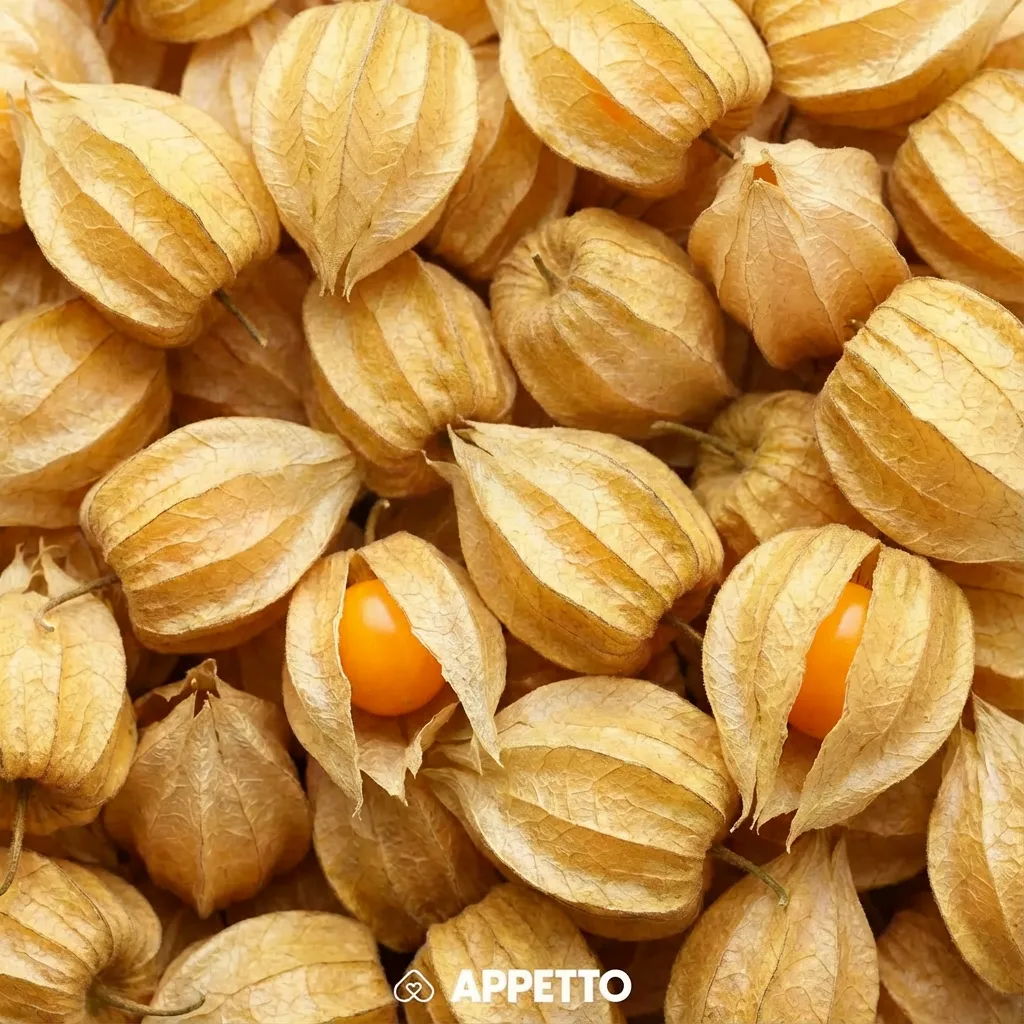
Physalis is best avoided as a dog treat. Fully ripe commercial cape gooseberries are less concerning than the leaves, stems, papery calyx and unripe green fruit, which may contain higher levels of nightshade glycoalkaloids.
Quick verdict
- For dogs: avoid intentionally.
- Highest-risk parts: leaves, stems, calyx and unripe fruit.
- After green-part ingestion: contact a veterinarian.
Is physalis toxic to dogs?
The risk depends heavily on ripeness and plant part. Green plant material may cause digestive and neurological signs, while a tiny amount of fully ripe berry flesh is less concerning.
Does it offer any benefit?
Ripe berries contain water and plant nutrients, but these modest benefits are available from safer, better-documented fruits.
Possible risks
- Vomiting or diarrhoea.
- Excessive salivation.
- Lethargy or weakness.
- Tremors or disorientation.
- Choking on whole berries in very small dogs.
How much can a dog eat?
No routine serving is recommended.
Ripe, unripe or processed physalis?
Avoid unripe fruit, leaves, stems, calyx, jam, desserts and sweetened dried fruit. A tiny accidental taste of fully ripe flesh is less concerning.
What to do after ingestion
- Remove the fruit and plant.
- Identify the part and ripeness.
- Monitor after a tiny amount of ripe berry flesh.
- Contact a veterinarian if green parts or unripe fruit were eaten.
Warning signs
Watch for vomiting, diarrhoea, drooling, lethargy, weakness, tremors, disorientation or seizures.
Safer alternatives
- Seedless apple.
- Seedless watermelon.
- Ripe seedless pear.
How APPETTO can help
APPETTO helps you recognise foods whose safety depends on ripeness and plant part, then compare safer dog products using the Pet-Score®. Download APPETTO.
FAQ
Is physalis toxic to dogs?
Unripe fruit and green plant parts may be toxic because of glycoalkaloids.
Can dogs eat ripe physalis?
A tiny amount of ripe flesh is less concerning, but it is not a recommended treat.
Is the calyx dangerous?
It should be removed and kept away from dogs.
What symptoms should I monitor?
Vomiting, diarrhoea, salivation, weakness or tremors.
Can puppies eat physalis?
No. It is safer to avoid it.
Physalis is too dependent on correct ripeness and preparation to make a sensible routine dog treat.
Credits and disclaimer
Credits: Content developed by the APPETTO team using referenced sources and its internal food-classification methodology.
Disclaimer: This information is general and does not replace veterinary advice.