


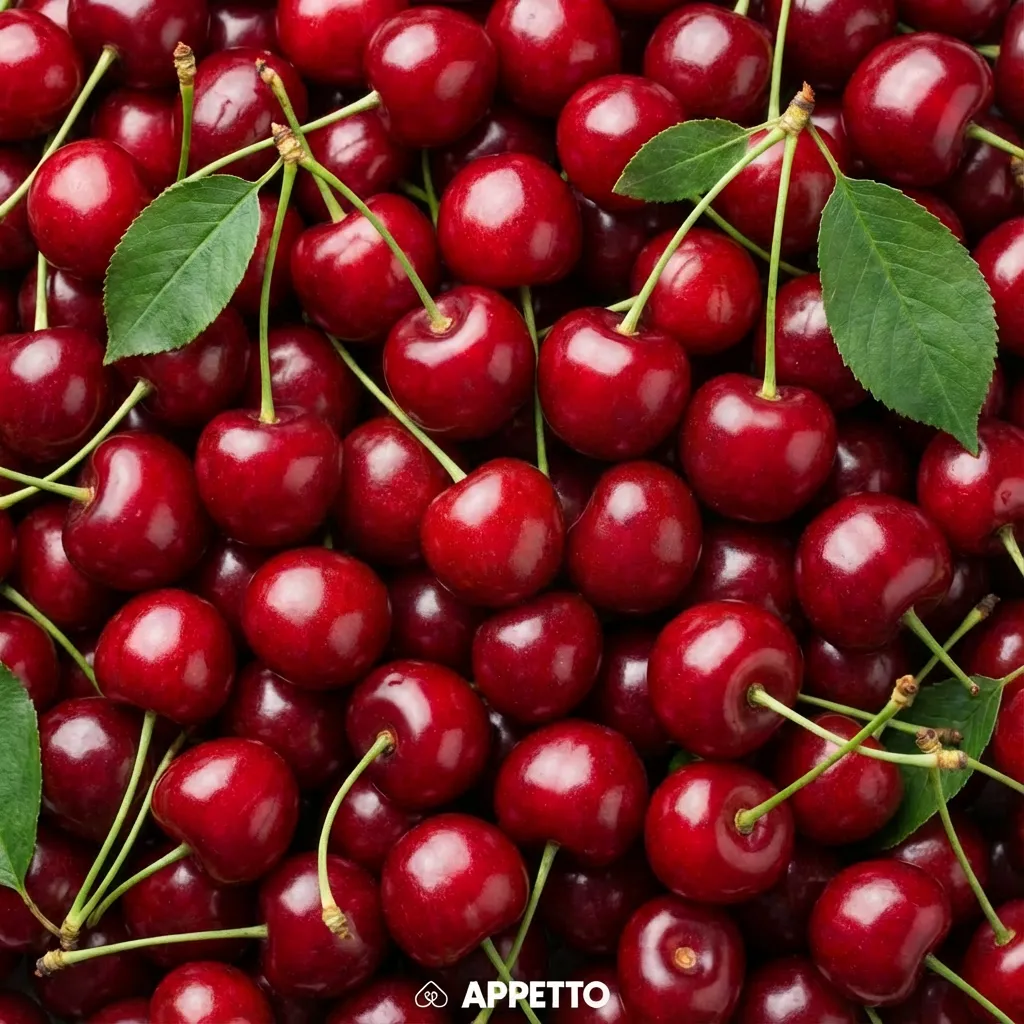
Sour cherries are not recommended for dogs. The ripe flesh is less concerning when completely pitted, but the pits, stems and leaves contain cyanogenic compounds and can cause poisoning, choking or intestinal obstruction.
Quick verdict
- For dogs: avoid as a treat.
- Most dangerous parts: pits, stems and leaves.
- After ingestion: seek veterinary advice if a pit was chewed or swallowed.
Why sour cherries are risky
The hard pit is the main concern. If chewed or crushed, it can release cyanide. If swallowed whole, it may become lodged in the throat or digestive tract.
Is the flesh toxic?
A tiny amount of fully ripe, completely pitted flesh is less concerning than the pit, but sour cherries are acidic and offer little benefit. The safest choice is not to offer them intentionally.
Possible benefits
The flesh contains anthocyanins and fibre, but safer fruits provide similar nutrients without cyanogenic pits.
Main risks
- Vomiting or diarrhoea.
- Weakness or excessive salivation.
- Breathing difficulty after cyanide exposure.
- Choking or intestinal obstruction from pits.
- Abdominal pain or repeated retching.
How much can a dog eat?
No regular serving is recommended. Avoid whole fruit and never offer pits, stems or leaves.
Fresh fruit, jam and desserts
Avoid fresh whole cherries, jam, syrup, liqueur, cakes and pastries. Processed products are usually high in sugar and may contain other unsafe ingredients.
What to do after ingestion
- Remove the remaining cherries and pits.
- Check whether a pit was chewed, crushed or swallowed.
- Contact a veterinarian if any pit, stem or leaf was involved.
- Do not induce vomiting without professional instruction.
Dogs at higher risk
- Puppies and small dogs.
- Dogs that swallow food without chewing.
- Dogs with a history of intestinal obstruction.
- Dogs with respiratory, neurological or chronic disease.
Warning signs
Watch for vomiting, diarrhoea, weakness, excessive salivation, abdominal pain, repeated retching, difficulty breathing or lethargy.
Safer alternatives
- A few plain blueberries.
- A small piece of seedless apple.
- A dog treat formulated for canine needs.
How APPETTO can help
APPETTO helps you identify risky stone fruits, compare dog products and make safer choices using the Pet-Score®. Download APPETTO.
FAQ
Are sour cherries toxic to dogs?
The pits, stems and leaves are toxic because they contain cyanogenic compounds.
Can dogs eat pitted sour cherry flesh?
A tiny amount is less concerning, but the fruit is still not recommended as a treat.
Can dogs eat sour cherry pits?
No. Pits may release cyanide when chewed and can cause choking or obstruction.
What symptoms require urgent attention?
Difficulty breathing, marked weakness, collapse, tremors or seizures require emergency veterinary care.
Can puppies eat sour cherries?
No. Sour cherries and their pits should be kept away from puppies.
Sour cherries are best avoided for dogs because the pits create serious cyanide, choking and obstruction risks.
Credits and disclaimer
Credits: Content developed by the APPETTO team using referenced sources and its internal food-classification methodology.
Disclaimer: This information is general and does not replace veterinary advice.