


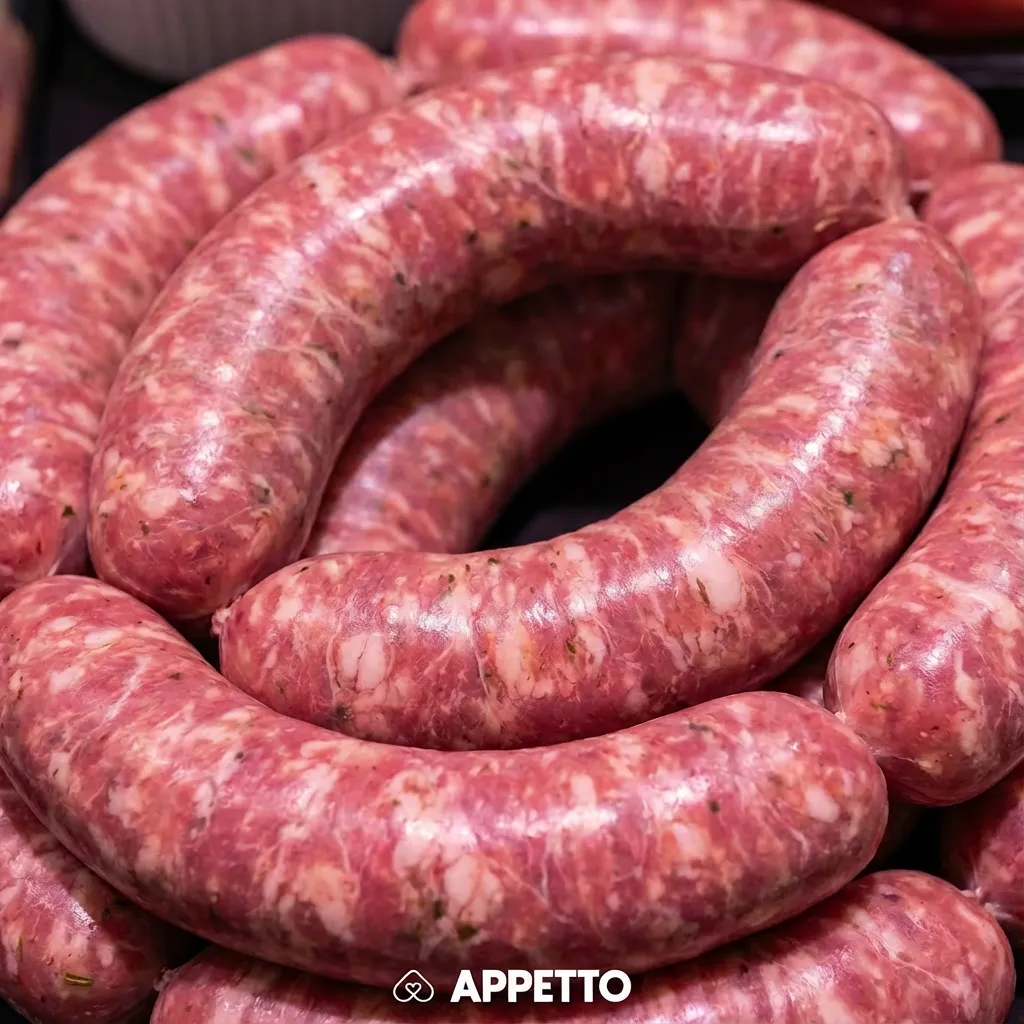
Toulouse sausage should be avoided for dogs. It is too fatty, too salty, sometimes spicy, and its casing can pose a digestive risk. Just because it smells great on the barbecue doesn’t mean their body agrees with the idea.
Quick verdict
- For dogs: avoid.
- Key takeaway: processed product, rich in salt and fat, with digestive and pancreatic risks.
Toulouse sausage for dogs: allowed, to be limited or forbidden?
Toulouse sausage is not suitable for dogs. Even cooked, it remains a rich, salty, and often seasoned charcuterie product. It should not be used as a treat or table scrap.
Is Toulouse sausage dangerous or toxic for dogs?
It can be dangerous depending on the quantity and the dog’s sensitivity. The salt can promote dehydration and excessive thirst, while the fats can cause digestive issues or pancreatitis.
What are the possible benefits?
There are no interesting nutritional benefits. The meat contained in the sausage is drowned in an overly processed product.
- High palatability, but due to fat and salt.
- Presence of protein, but in an unsuitable form.
What are the risks to know?
The risks are mostly digestive and metabolic.
- Vomiting or diarrhea.
- Abdominal pain or pancreatitis in sensitive dogs.
- Excess salt.
- Parts to avoid: casing, visible fat, raw sausage, spicy or heavily cooked/grilled sausage.
How much to give to your dog?
No intentional quantity is recommended. If your dog ate a small piece by accident, monitor them. If the quantity is significant, seek advice.
- Small dog: no portion.
- Medium dog: no portion.
- Large dog: no portion.
Can my dog eat raw, cooked, or grilled Toulouse sausage?
Raw, it presents a microbiological risk. Cooked or grilled, it remains too fatty and salty. Spicy, smoked, or heavily grilled versions are even less suitable.
How to prepare it correctly?
- Do not prepare Toulouse sausage for your dog.
- If you want to give meat, choose a lean, plain cooked piece.
- Avoid barbecue scraps and cold cuts.
When should it be avoided?
- In puppies.
- In senior dogs.
- In dogs sensitive to fat or predisposed to pancreatitis.
- In dogs with heart or kidney disease, overweight dogs, or those on a veterinary diet.
My dog ate Toulouse sausage: what should I do?
Check the quantity and composition. Offer water and monitor for digestive signs. In case of a large quantity, a fragile dog, or symptoms, contact a vet.
What signs should alert you?
Vomiting, diarrhea, abdominal pain, lethargy, excessive thirst, or loss of appetite should be red flags.
What are safer alternatives?
- Plain cooked lean meat.
- Skinless chicken.
- Low-fat dog treats.
How can APPETTO help you?
APPETTO helps you spot products that are too rich or unsuitable and compare dog foods with the Pet-Score®, a clear rating from A to E. Download APPETTO.
FAQ
Is Toulouse sausage toxic to my dog?
It is not always toxic, but it is too fatty and salty to be given.
How much Toulouse sausage can I give my dog?
No amount is recommended.
Can my dog eat cooked Toulouse sausage?
No, even cooked it remains too rich and processed.
Can my dog eat the sausage casing?
It is best to avoid it, as it can be hard to digest and pose a mechanical risk.
What signs should I watch for after ingestion?
Vomiting, diarrhea, abdominal pain, fatigue, or excessive thirst.
Can a puppy eat Toulouse sausage?
No, it is too fatty and salty for them.
Toulouse sausage should therefore be avoided for dogs, even cooked. To find more suitable treats and compare products with the Pet-Score®, APPETTO can help. Download APPETTO.
Credits and disclaimer
Credits: Content developed by the APPETTO team based on referenced sources and the internal food classification methodology.
Disclaimer: This information is general and does not replace veterinary advice.